THE ROLL REFERENCE
Every field.
A clearer order.
Twenty source-linked notes. Exact specifications and conditional calculations, without invented print tests or width-only compatibility claims.

Start with the printer, not the roll’s width
Record the exact printer model and media requirements before comparing an offer. Width alone cannot certify a roll for your machine.
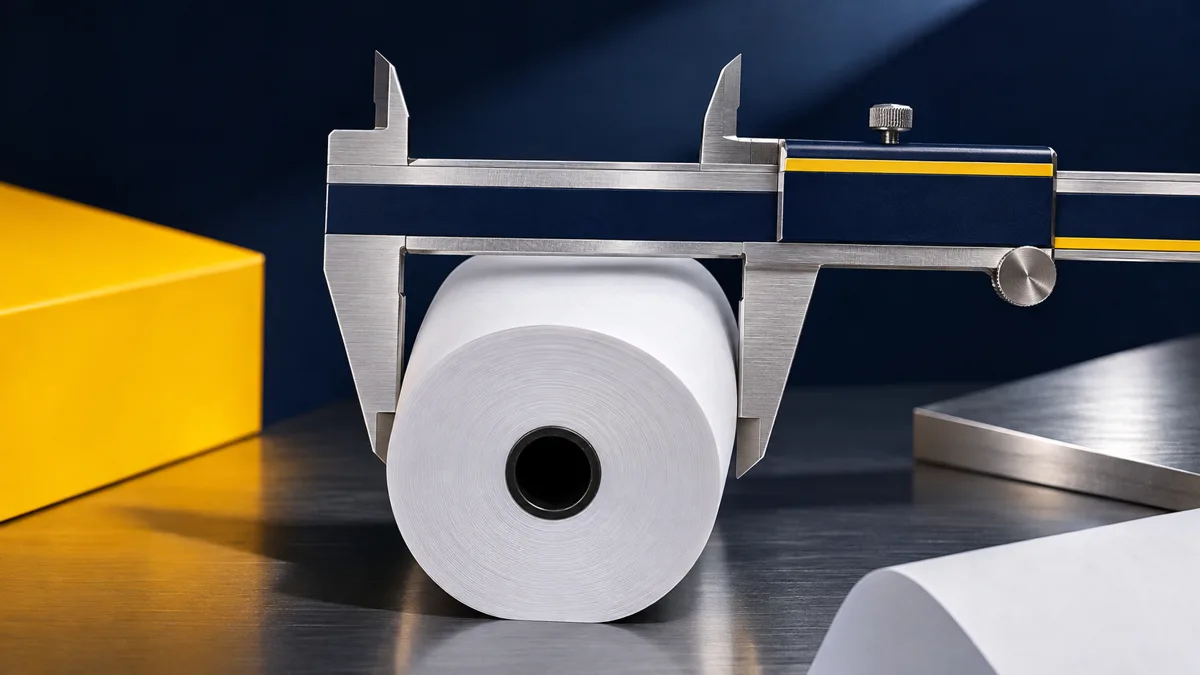
Nominal 80mm and measured paper width are not the same field
Read whether a dimension describes the paper itself, the wound roll or a nominal product family. Preserve tolerances rather than rounding everything to a single label.
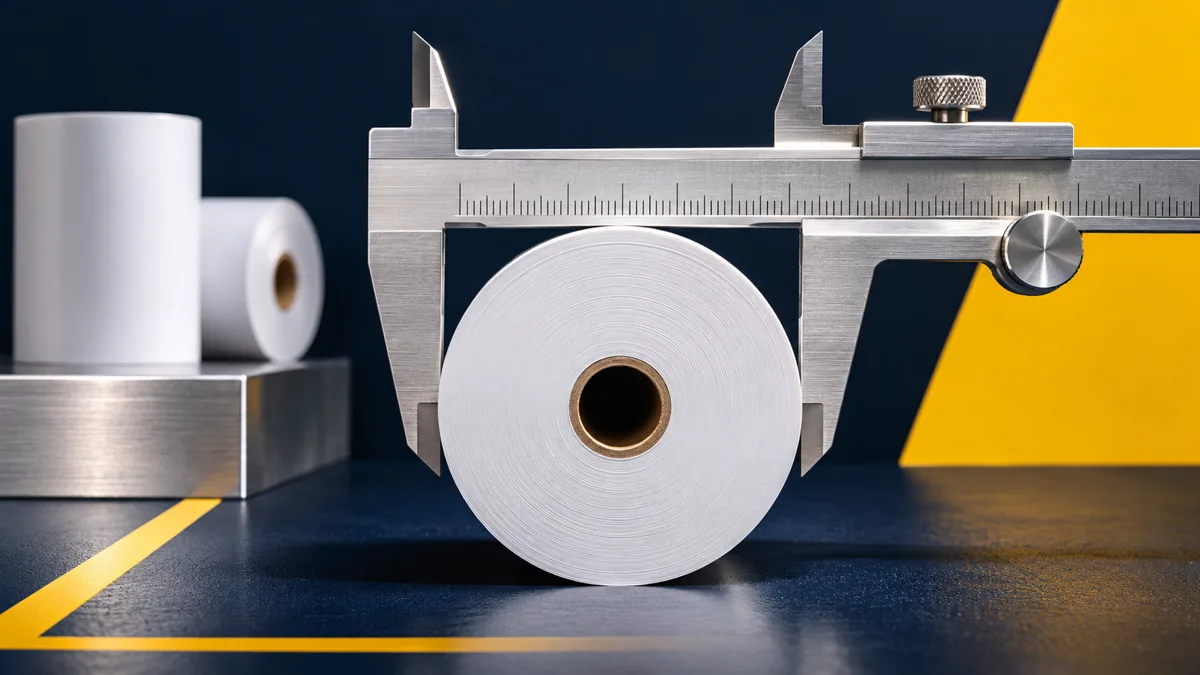
Outside diameter is a fit limit, not a length calculator
Check the full roll’s outside diameter against the exact machine requirement. The outside circle does not reveal the amount of paper by itself.

Core ID, core OD and an unspecified core are three different statements
Ask whether “core” means inner diameter, outer diameter or an accessory designation. Do not silently exchange those meanings.

Compare cost per roll and cost per declared length
A cheaper roll can contain less paper. Keep the roll count and declared length together when calculating the purchase cost.
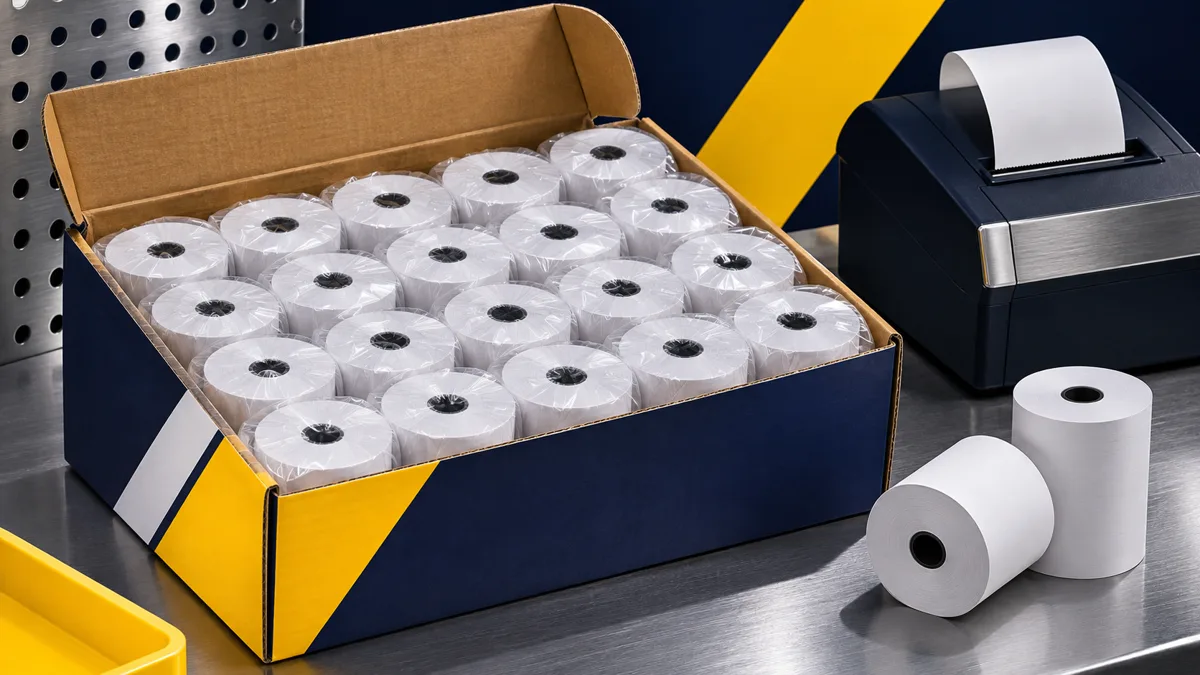
Read roll, pack and case as separate purchase units
Write the selected offer as rolls per purchase unit. A case and a small pack can have very different prices even when the rolls share the same nominal size.

A delivered cost can differ from a headline case price
Compare the obtainable delivered order. A listing price without freight or shipping eligibility is not a completed purchasing quote.
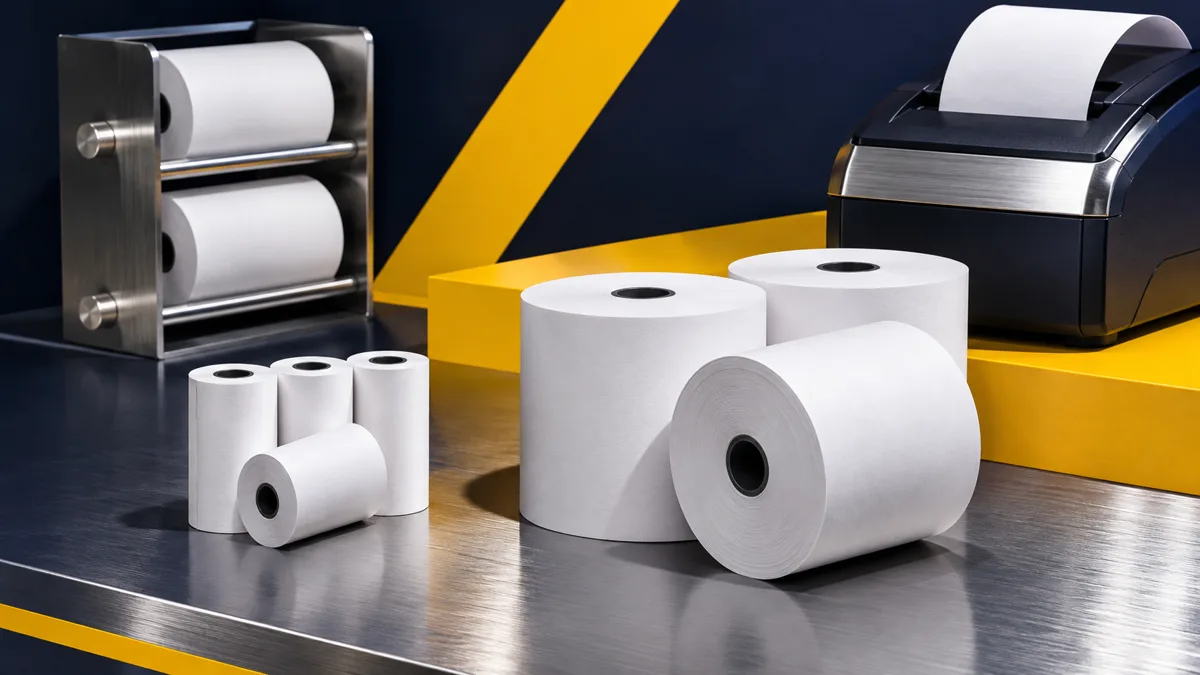
Narrow and wide rolls solve different output requirements
A lower price for a narrow roll is not an automatic substitute for a wider receipt format. Check the exact configured printer and layout.
TSP143IV is not TSP143IV SK: keep the model suffix
A nearly identical model name can describe a different media job. Preserve suffixes and the intended printer type in a specification request.
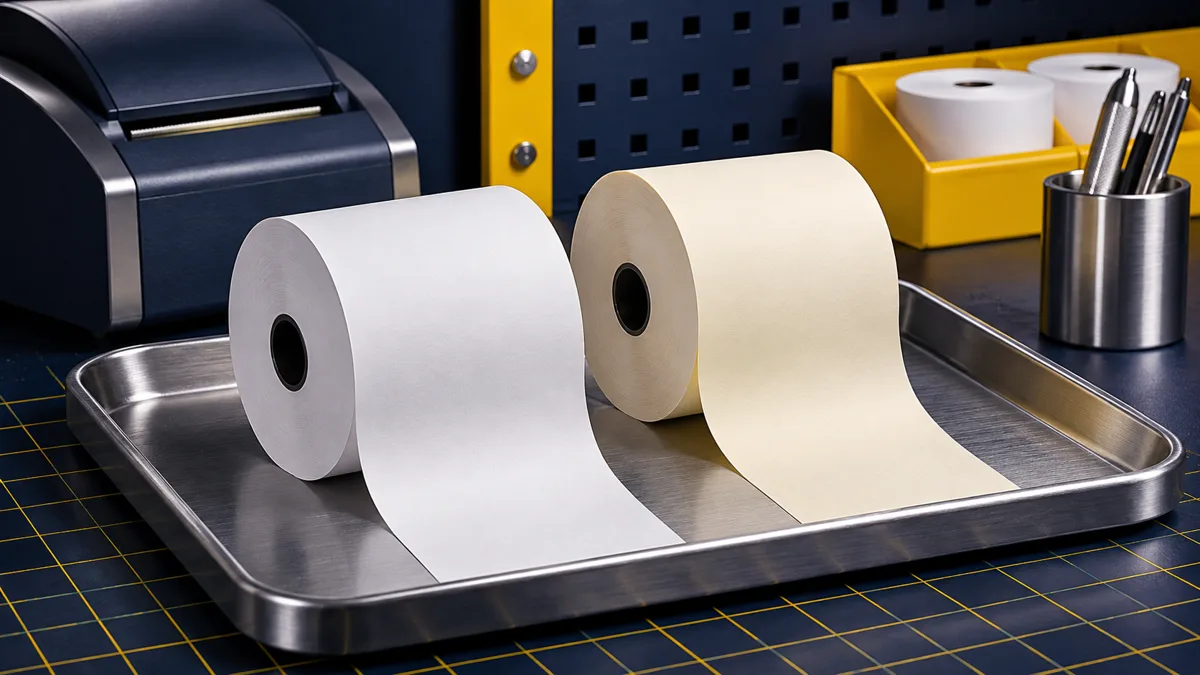
Thermal, bond and multipart paper are not interchangeable formats
Confirm the printer’s required media type before using a price or width comparison. Similar-looking white rolls can have different printing requirements.
Keep sealed stock organized by the supplier’s storage guidance
Store each paper SKU according to its actual supplier guidance and keep cartons traceable. This guide does not guarantee image life or a universal storage period.

A thermal receipt is not an archival promise
Keep record-retention requirements separate from a roll’s listed length and price. This site has not tested fading or certified a paper for a retention policy.

BPA-free is not the same as a complete chemistry or safety claim
Keep the seller’s exact wording and requested documentation. Do not expand one chemical exclusion into “chemical-free” or a medical safety guarantee.
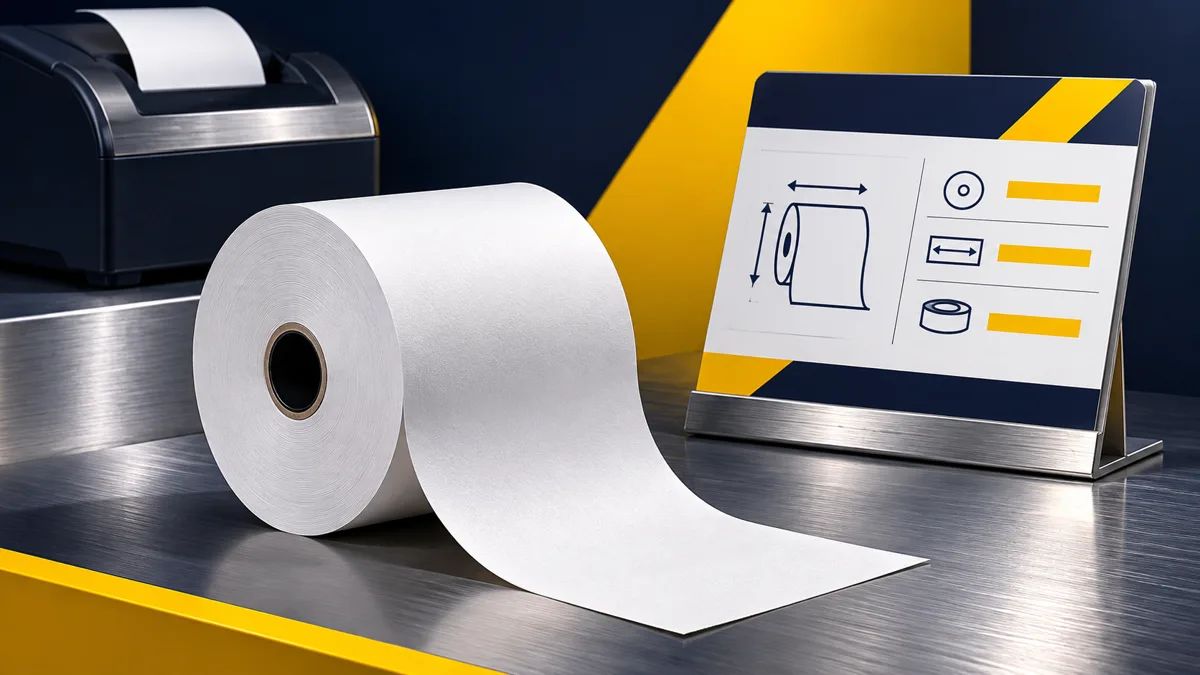
Send a supplier the fields that are still missing
A useful specification request names the exact roll and printer, then asks for the unresolved dimensions rather than a generic “will this fit?”.

Declared length and physical fit answer different questions
A roll can meet a diameter limit and still have a different declared length from another roll. Use both fields for their own jobs.

Track rolls in use separately from sealed stock
A sealed-roll count is a practical inventory unit. Keep partly used rolls as estimates rather than silently counting them as full rolls.

Check count and specification before shelving a delivery
Match the received rolls to the ordered SKU and quantity. A carton with the right nominal width may still leave core, length or media questions.

Turn your stock assumptions into whole purchase units
Calculate an order in the purchase unit actually sold. A whole-case result can leave extra rolls even when the arithmetic shortage is smaller.
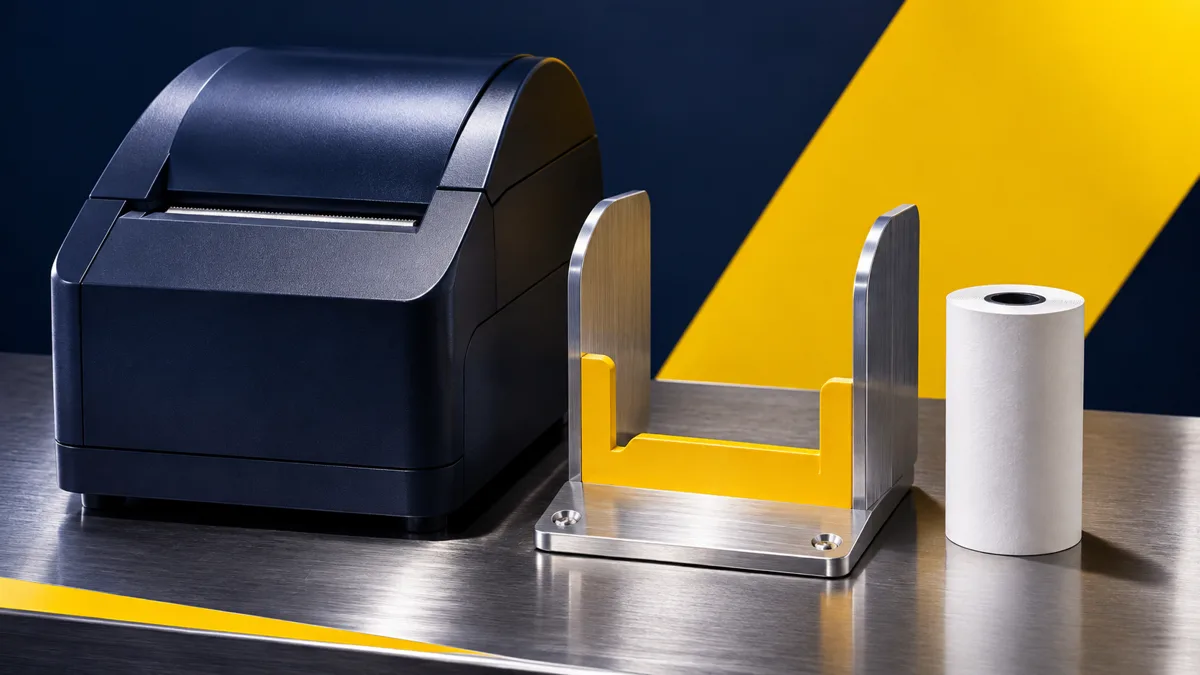
Check the manual before changing a printer’s paper width
A paper-width change can require hardware and software steps, and some models impose limits after use. Do not treat a narrow roll as a reversible plug-in substitution.

Three actual offers, with roll count and length exposed
These US observations are dated listed prices, not delivered quotes, printer endorsements or live availability guarantees.